Soft pastels · Free shipping over $75 · Shop the boutique
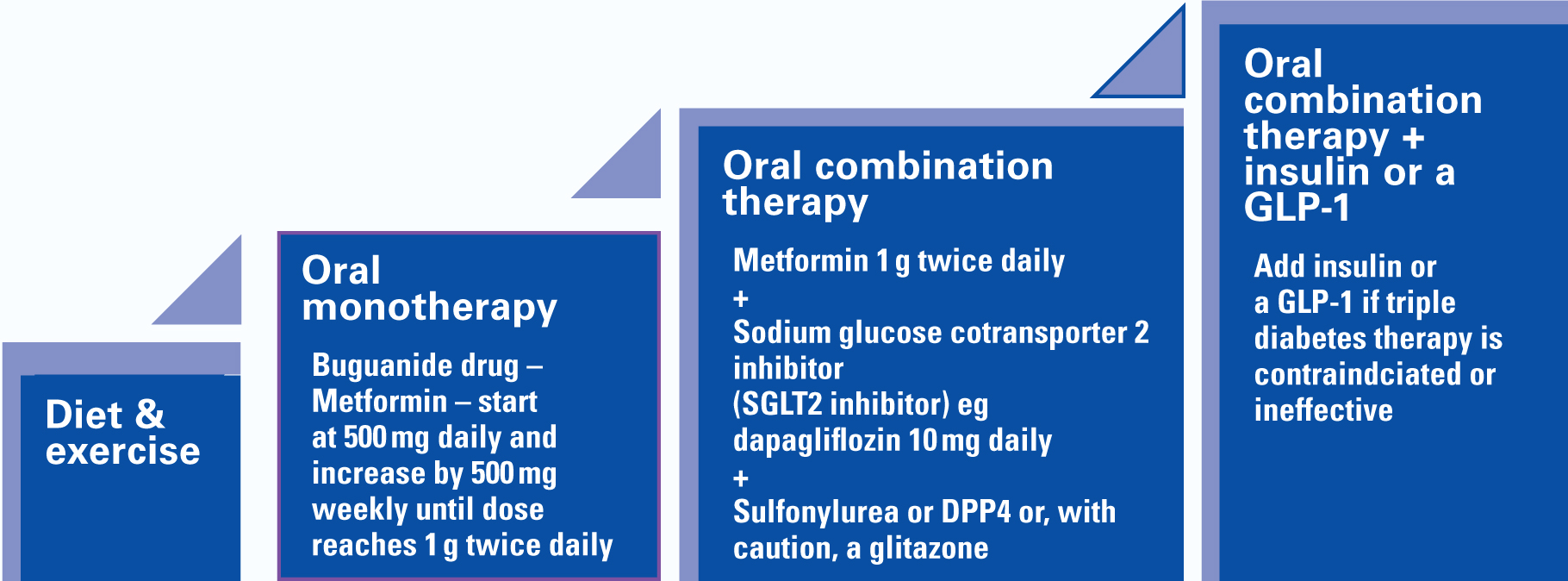
glp-1 and type 2 diabetes

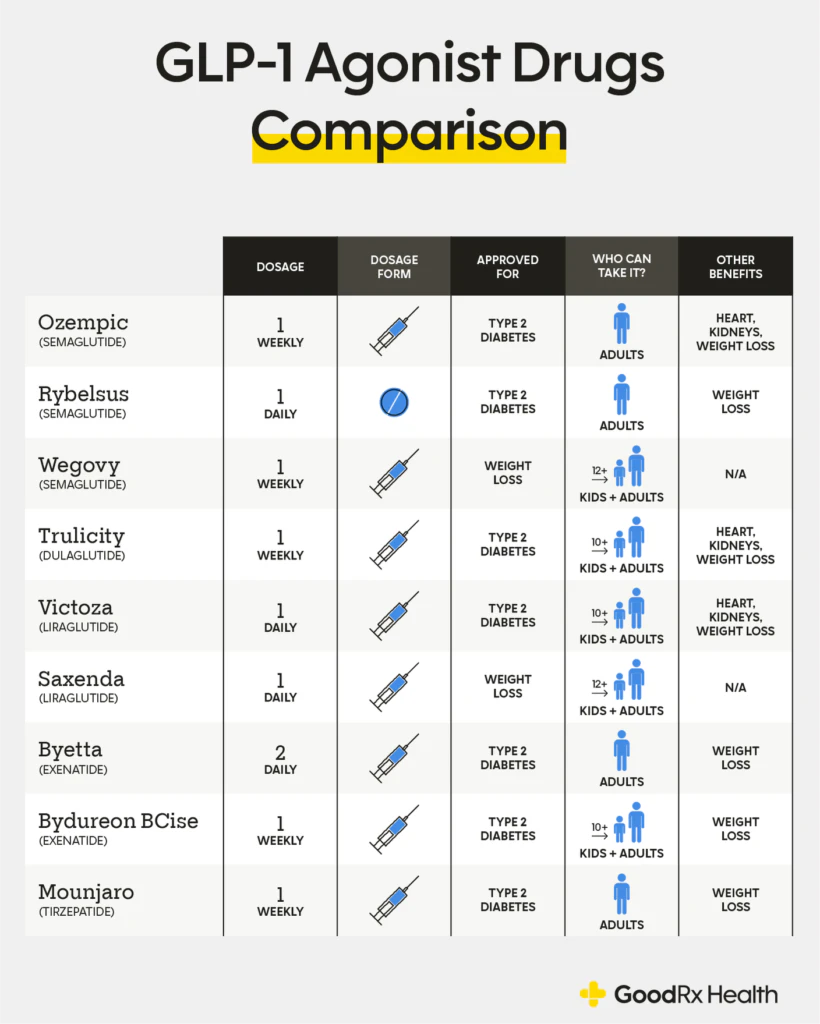
glp-1 and type 2 diabetes receptor agonists are increasingly used to treat obesity, and trials have shown reductions in cardiovascular risk and slowing of kidney failure. Adverse events are mostly gastrointestinal. Read GLP-1 Receptor Agonist Shortage: Challenges

SKU: 89027101742

4.3
EUR26.00 EUR49.00

Pay in 4 interest-free payments of $6.50 Learn more

Shipping Estimate
USA
  • USA
  • CAN

Ships within 48 hours · Estimated delivery Jul 31 - Aug 5
Description

Strategies to preserve muscle mass, including resistance exercise and adequate protein intake, would be important considerations

glp-1 and type 2 diabetes receptor agonists are increasingly used to treat obesity, and trials have shown reductions in cardiovascular risk and slowing of kidney failure. Adverse events are mostly gastrointestinal. Read GLP-1 Receptor Agonist Shortage: Challenges

Research into extendin-4 yielded semaglutide, a derivative of the molecule but one that will stay in the body for far longer, producing the desired pharmacological effect

glp-1 and type 2 diabetes receptor agonists are increasingly used to treat obesity, and trials have shown reductions in cardiovascular risk and slowing of kidney failure. Adverse events are mostly gastrointestinal. Read GLP-1 Receptor Agonist Shortage: Challenges

Limited insurance coverage and recent shortages only complicate access

glp-1 and type 2 diabetes receptor agonists are increasingly used to treat obesity, and trials have shown reductions in cardiovascular risk and slowing of kidney failure. Adverse events are mostly gastrointestinal. Read GLP-1 Receptor Agonist Shortage: Challenges

However, current and next-gen obesity therapeutics have the potential to vastly improve health outcomes

glp-1 and type 2 diabetes receptor agonists are increasingly used to treat obesity, and trials have shown reductions in cardiovascular risk and slowing of kidney failure. Adverse events are mostly gastrointestinal. Read GLP-1 Receptor Agonist Shortage: Challenges

The diagram to the right details how to help minimise side effects from treatment with GLP-1s

glp-1 and type 2 diabetes receptor agonists are increasingly used to treat obesity, and trials have shown reductions in cardiovascular risk and slowing of kidney failure. Adverse events are mostly gastrointestinal. Read GLP-1 Receptor Agonist Shortage: Challenges
Exchange/Return Notes
  • We offer a 30-day return/exchange service after receiving.
  • Final sale items are not eligible for returns or exchanges.
  • To process your return/exchange, please contact us at [email protected]
  • Please click here for more details>>> Return & Exchange Policy

You may also like

IGF-1LR3
IGF-1LR3

US$ 26.86

4.4 (14 reviews)

recommand products